

Introduction
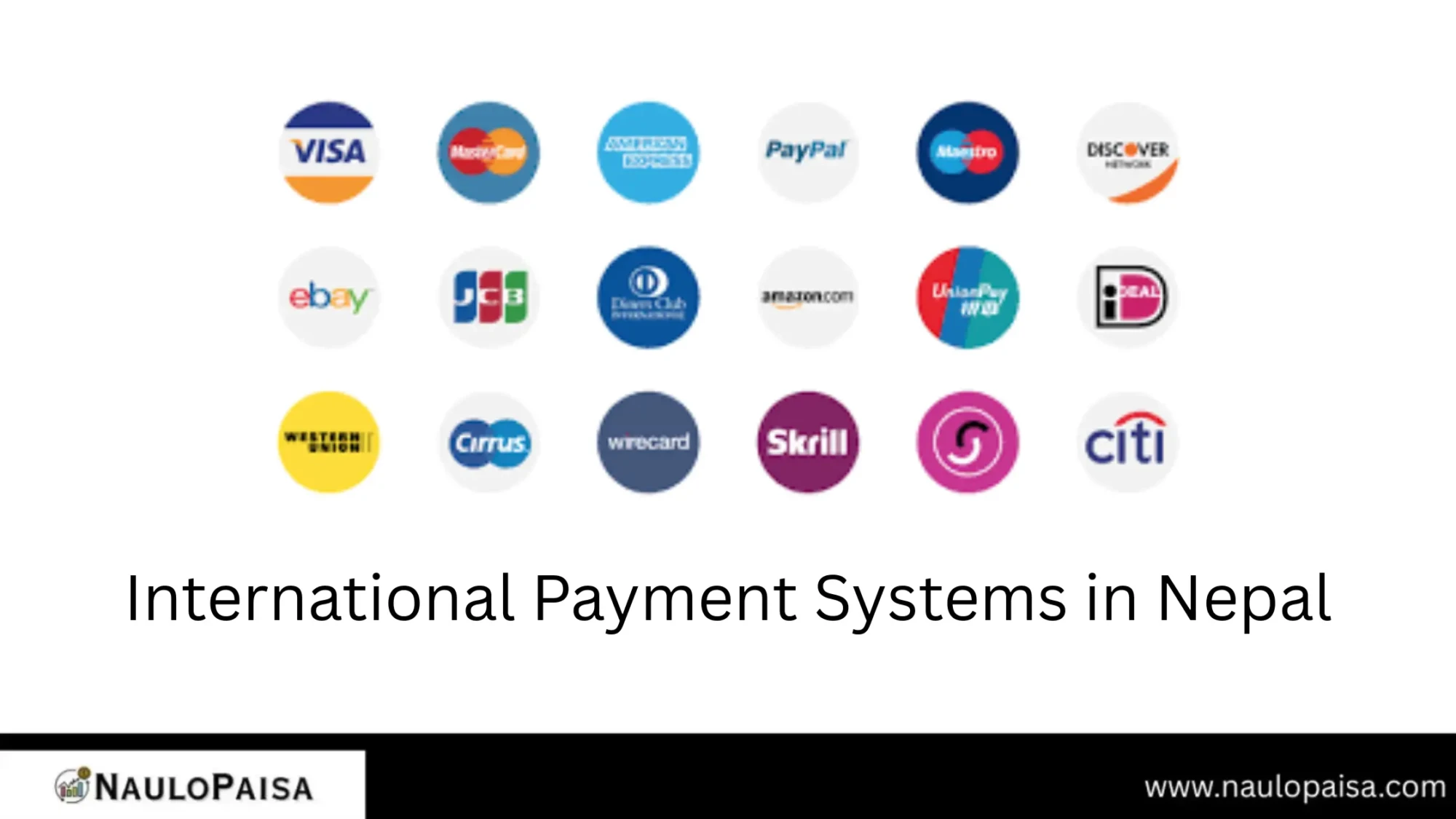
Nepal’s international payment system has undergone significant transformations in recent years, driven by digital innovation, regulatory reforms, and the need to integrate with global financial networks. As of March 2026, the system relies heavily on remittances, which form a substantial part of the economy, while facing challenges like outdated infrastructure and limited access to global platforms. With initiatives like the Central Bank Digital Currency (CBDC) pilot and cross-border QR payments, Nepal is positioning itself for greater financial inclusion and efficiency. This article explores the latest developments, challenges, opportunities, and future outlook, drawing on data from the Nepal Rastra Bank (NRB) and other sources.
Overview of International Payment Systems in Nepal
Nepal’s international payments encompass remittances, foreign exchange transactions, cross-border trade, and digital transfers. Key components include:
- Remittances: The backbone of Nepal’s economy, with inflows reaching 1,063 billion NPR in the first six months of fiscal year 2025/26 (ending mid-January 2026), accounting for about 28.2% of GDP based on prior year data. These are primarily handled through banks, money transfer operators (MTOs) like Western Union and IME, and increasingly digital wallets.
- Foreign Exchange Management: Managed by NRB, with strict controls to prevent capital flight. Individuals can access up to USD 2,500 annually via QR codes for foreign payments, and up to USD 2,000 for online purchases from US dollar accounts.
- Digital and Card-Based Systems: Includes the Nepal Pay National Card Scheme (NEPALPAY), now accepted in foreign countries since late 2025. The National Payment Switch (NPS), powered by ACI Worldwide, handles card interoperability and data localization.
- Cross-Border Digital Payments: Integration with India’s UPI for QR-based transactions, expanded to allow third-country payments. New systems enable independent QR payments under the “People to Merchant (P2M)” model, moving beyond SWIFT and ATM cards.
- Emerging Fintech: Digital wallets like IME Pay and eSewa integrate remittances, with growth in real-time payments via NEPALPAY Instant and potential Lightning Network for low-cost cross-border transfers.
Recent Developments
Nepal’s payment ecosystem is rapidly modernizing, with key updates from 2025-2026:
- CBDC Pilot: NRB plans to launch a CBDC pilot by mid-2026, focusing on secure, inclusive payments for wholesale and retail transactions. A public consultation document outlines policy goals.
- FinTech Expo 2026: Held in January 2026, organized by FinTech Alliance Nepal, showcasing innovations in digital finance and fostering collaborations.
- Regulatory Reforms: Monetary Policy 2025-26 emphasizes open finance and interoperability, reducing costs. Midterm review in February 2026 highlights balance of payments surplus of 501 billion NPR.
- International Collaborations: NRB Governor meetings with counterparts from China (January 28, 2026) and India (January 25, 2026) to enhance cross-border frameworks.
- E-Commerce Growth: Projected to exceed USD 600 million by 2026, driven by mobile-optimized payments.
Here’s a timeline table of key milestones:
| Year/Month | Development | Impact |
|---|---|---|
| November 2021 | NPS Project Launch | Modernized domestic payments. |
| 2024 | QR Guidelines for Foreigners | Enabled cross-border mobile payments with India. |
| December 2025 | Nepal Pay Accepted Abroad | Boosted card usage internationally. |
| January 2026 | FinTech Expo | Promoted fintech investments. |
| Mid-2026 | CBDC Pilot | Aims for efficient transactions. |
Challenges
Despite progress, several hurdles persist:
- Outdated Policies and Infrastructure: Regulations lag behind the digital economy, causing delays (15-30 days) for international invoices and limited acceptance of platforms like PayPal and Stripe.
- High Costs and Informal Channels: Transfer fees remain elevated, with significant remittances flowing through informal systems like hundi, reducing formal inflows.
- Limited Financial Inclusion: Rural areas face unreliable internet (65% report issues), low digital literacy (72%), and gender gaps in access.
- External Vulnerabilities: Reliance on remittances exposes the economy to global slowdowns; balance of payments pressures from commodity prices.
- Cybersecurity and Trust: Increasing digital adoption heightens risks, with 53% expressing security concerns.
Opportunities
Nepal’s system offers growth potential:
- Digital Integration: Leveraging UPI and Lightning Network for low-cost, instant cross-border payments.
- Fintech Expansion: Wallets redefine access, especially for unbanked populations; e-commerce boom.
- De-Dollarization and Regional Ties: Diversifying currencies and strengthening South Asian cooperation to reduce transaction costs.
- CBDC and Open Finance: Policies for interoperability could simplify payments and boost inclusion.
- Remittance Optimization: Integrating with wallets like IME Pay to shift from cash to digital, enhancing efficiency.
Latest Foreign Exchange Rates (as of March 6, 2026)
From NRB data:
| Currency | Buy Rate (NPR) | Sell Rate (NPR) |
|---|---|---|
| USD | 146.27 | 146.87 |
| EUR | 169.80 | 170.50 |
| GBP | 195.29 | 196.09 |
| AUD | 103.11 | 103.54 |
| SGD | 114.56 | 115.03 |
| JPY | 9.30 | 9.34 |
FAQs
Q: Can Nepalis use PayPal for international payments?
A: No, PayPal is not officially supported in Nepal due to regulatory restrictions, leading to reliance on alternatives like Payoneer.
Q: What is the limit for QR cross-border payments?
A: Up to USD 2,500 annually for general foreign exchange, with higher limits for specific uses like medical payments.
Q: Is cryptocurrency allowed for international transactions?
A: No, NRB has declared virtual currency transactions illegal.
Q: How has remittance inflow changed recently?
A: It increased to 1,063 billion NPR in the first half of 2025/26, supporting a balance of payments surplus.
Q: When will CBDC be available?
A: Pilot targeted for 2026, with full deployment potentially following.
Conclusion
In 2026, Nepal’s international payment system stands at a crossroads of opportunity and challenge. With robust remittance inflows, advancing digital infrastructure like NPS and CBDC, and regional integrations, the country is enhancing financial resilience and inclusion. However, addressing barriers such as high costs, rural access gaps, and regulatory lags is crucial to fully capitalize on global trends like real-time payments and fintech. By prioritizing infrastructure investments, literacy programs, and international partnerships, Nepal can foster a more efficient, inclusive system that supports economic growth and reduces reliance on informal channels.