

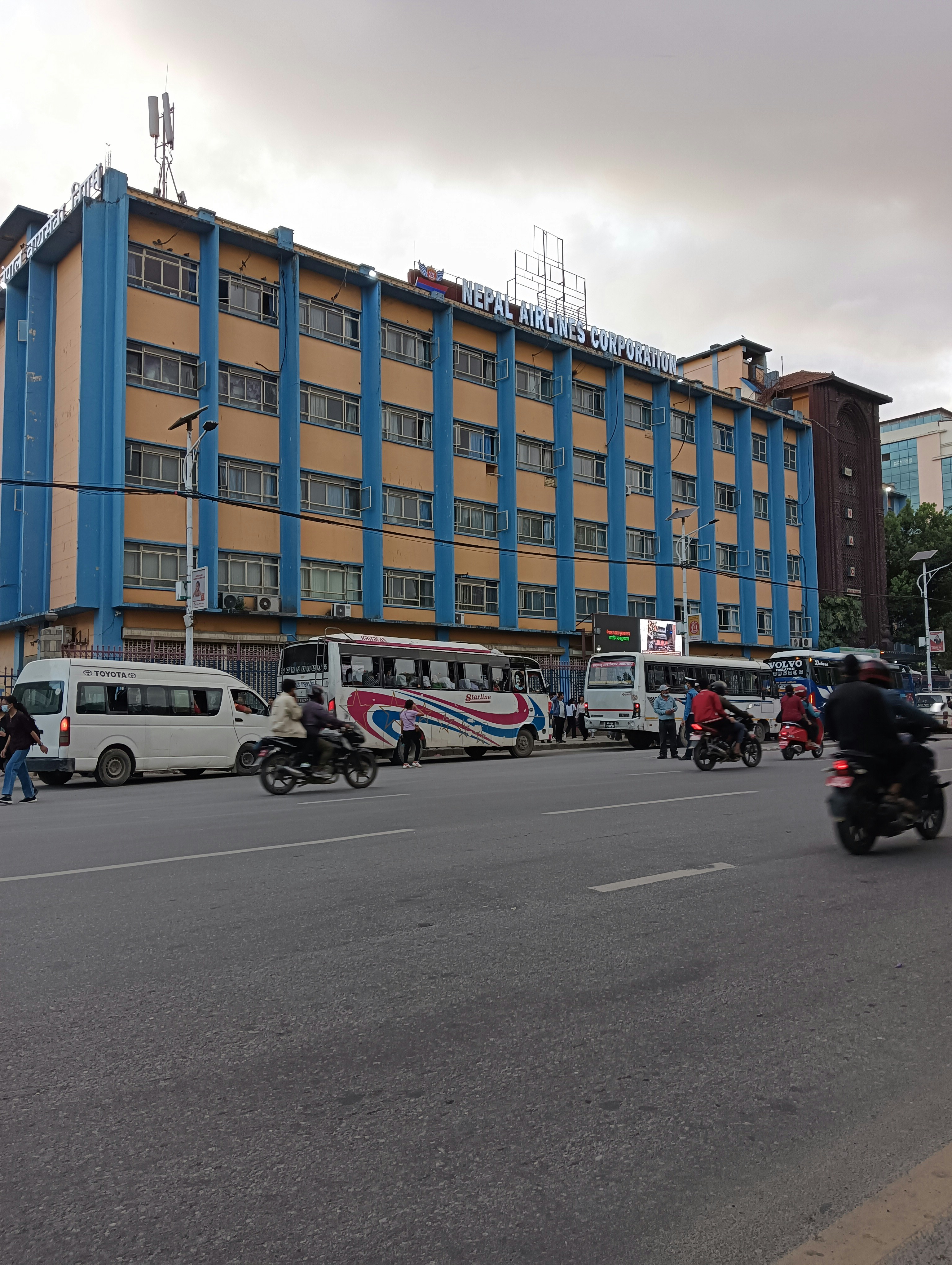
Understanding the Job Market in Nepal
The job market in Nepal has been evolving significantly, reflecting both local and global economic dynamics. Traditionally, the economy has been dominated by agriculture, which employs a substantial portion of the population. However, recent trends indicate a shift towards service-oriented and industrial sectors. Industries such as tourism, information technology, and construction are gaining traction, providing diverse employment opportunities for job seekers.
Employment rates in Nepal fluctuate, influenced by various factors including economic conditions, government policies, and educational advancements. As of recent surveys, the overall unemployment rate remains a concern, particularly among youth and graduates. This demographic faces challenges in securing meaningful employment despite possessing qualifications. The gap between job seekers and available positions underscores the importance of targeted skill development and vocational training programs.
In the current job landscape, there is notable demand for both skilled and unskilled labor. Sectors such as healthcare require qualified professionals, while industries like agriculture and construction often rely on unskilled laborers. Furthermore, the emergence of entrepreneurship and local business establishments has created additional job openings, contributing to the overall job market vibrancy. Small to medium enterprises (SMEs) play a critical role in job creation and are crucial for driving economic growth.
A key factor influencing job availability is the economic environment. External factors such as international investments and trade agreements also play a significant role in shaping the job market. Ultimately, sectors such as renewable energy and information technology promise growth opportunities, reflecting the potential for innovation-driven job creation in Nepal. Understanding these dynamics is crucial for job seekers navigating the local job market.
Effective Job Search Strategies
Finding local jobs in Nepal requires a strategic approach to job searching. One of the most efficient methods to explore employment opportunities is through dedicated job portals. Websites such as MeroJob, job.com.np, and Jobs Nepal provide comprehensive listings that cater specifically to the local job market. Regularly checking these platforms allows job seekers to stay updated on new openings and apply promptly, which is often crucial, as many positions receive a large number of applications.
In addition to job portals, leveraging social media can significantly enhance job search efforts. Platforms like LinkedIn not only allow individuals to showcase their professional profiles but also permit them to connect with industry professionals who might offer valuable insights or leads on job vacancies. Engaging with relevant groups or forums on social media can lead to discovering unadvertised positions, as many companies utilize these platforms for recruitment.
Networking remains a vital component in the job search process. Attending industry-related events, workshops, and seminars can help you meet potential employers or mentors. Additionally, directly contacting individuals in your desired field can open doors and create opportunities that may not be accessible through traditional job applications. When reaching out, be sure to maintain a professional demeanor and clearly convey your interest in learning more about their organization.
Another key aspect of a successful job search is tailoring your resume and cover letter for each position. Highlighting relevant skills and experiences that align with the job requirements demonstrates your sincere enthusiasm and commitment. Customizing these documents increases your chances of standing out in a competitive job market. Lastly, consider attending job fairs as they offer a unique opportunity to interact with numerous employers in person, facilitating direct connections that could lead to employment.
Networking and Leveraging Connections
In the competitive landscape of Nepal’s job market, networking plays a pivotal role in securing employment opportunities. While traditional job search methods such as online applications and job fairs are commonly utilized, the importance of personal connections cannot be underestimated. In Nepalese culture, where personal relationships and trust often guide professional interactions, building a strong network can significantly enhance one’s chances of finding local jobs.
To navigate this crucial aspect, individuals should focus on cultivating professional relationships with peers, mentors, and industry leaders. Attending networking events, workshops, and seminars can provide valuable platforms to meet potential employers and like-minded professionals. Moreover, joining community groups or local organizations not only broadens your network but also fosters a sense of belonging within the professional community.
Alumni networks from colleges and universities can also serve as a valuable resource for job seekers. Engaging with fellow alumni can lead to job referrals and insider information about hidden job markets. It is vital to actively participate in alumni events and online forums, as these interactions can facilitate meaningful connections that might lead to employment.
Furthermore, understanding the cultural nuances of networking in Nepal is essential. Approach relationship-building with authenticity, patience, and respect. Many professionals prefer face-to-face interactions, making it important to invest time in building rapport before discussing job opportunities. Leverage platforms like LinkedIn to keep in touch with your connections and share relevant content that showcases your skills, which can lead to job referrals.
In conclusion, leveraging personal connections and community networks is crucial for job seekers in Nepal. By fostering professional relationships and navigating the local job market thoughtfully, individuals can uncover valuable job opportunities that might otherwise remain undiscovered.
Preparing for Interviews and Job Offers
Preparation is paramount when it comes to performing well in job interviews in Nepal. An individual should start by researching the company they are applying to, as this shows genuine interest and helps align personal values with the company’s ethos. Understanding the mission, vision, and culture of the organization can provide context when answering questions and formulating queries of your own.
During interviews, candidates can expect to face common questions such as “Tell me about yourself,” “What are your strengths and weaknesses?” and scenario-based questions related to problem-solving. It is beneficial to frame responses using the STAR method (Situation, Task, Action, Result) which helps in articulating experiences clearly and concisely. Practice is key; conducting mock interviews with friends or using online platforms can enhance confidence and eliminate nerves.
Appropriate attire plays a significant role in first impressions. In Nepal, professionals often wear formal clothing, such as tailored suits or business casual outfits, depending on the industry. Dressing appropriately signals respect for the company and the interview process. Moreover, understanding cultural etiquette can also positively influence how your candidacy is perceived. Politeness, maintaining eye contact, and a firm handshake are generally well-regarded behaviors.
Once an offer is presented, it is crucial to evaluate it carefully. Do not rush to accept the terms; instead, take time to review aspects such as salary, benefits, working hours, and job responsibilities. If the offer does not meet expectations, engagement in respectful negotiation is advisable. Articulating your value and aligning it with the company’s needs can result in a satisfactory agreement for both parties. Being prepared in these aspects not only enhances the likelihood of securing employment but ensures the role aligns with your professional aspirations.